About the Questionnaire
Get There Asheville is a city council questionnaire and candidate forums presented in partnership by Asheville on Bikes, MountainTrue, and Strong Towns, Asheville, focused on the interconnected issues that shape how Asheville grows and how residents experience our city—housing, mobility, resilience, and land use.
The questionnaire is organized into six sections: Introductions, Growth Patterns & Housing, Complete Streets, Transit, Greenways & Trails, & Reconstruction.
Leadership & Experience
- What would you like people to know about how you listen, learn, and lead?
- How do you most often travel around Asheville in your daily life, and how does that shape your experience of the city?
- What does equitable transportation investment look like to you in Asheville, and what experiences have informed how you think about it?
Growth Patterns & Housing
These questions are informed by the Elevate 2050 Metropolitan Transportation Plan, Asheville Missing Middle & Displacement Risk Assessment, and Living Asheville: A Comprehensive Plan for the Future.
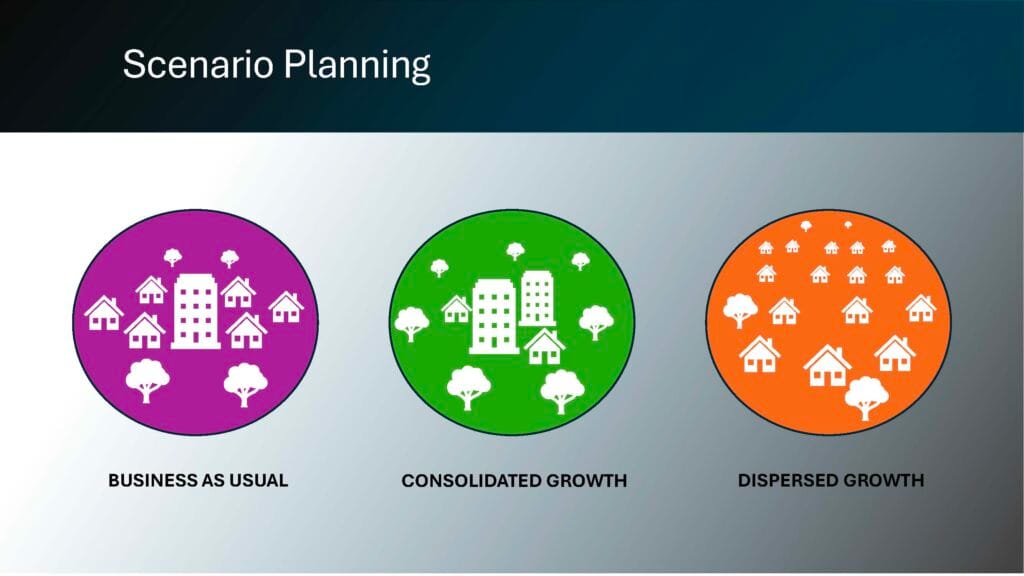
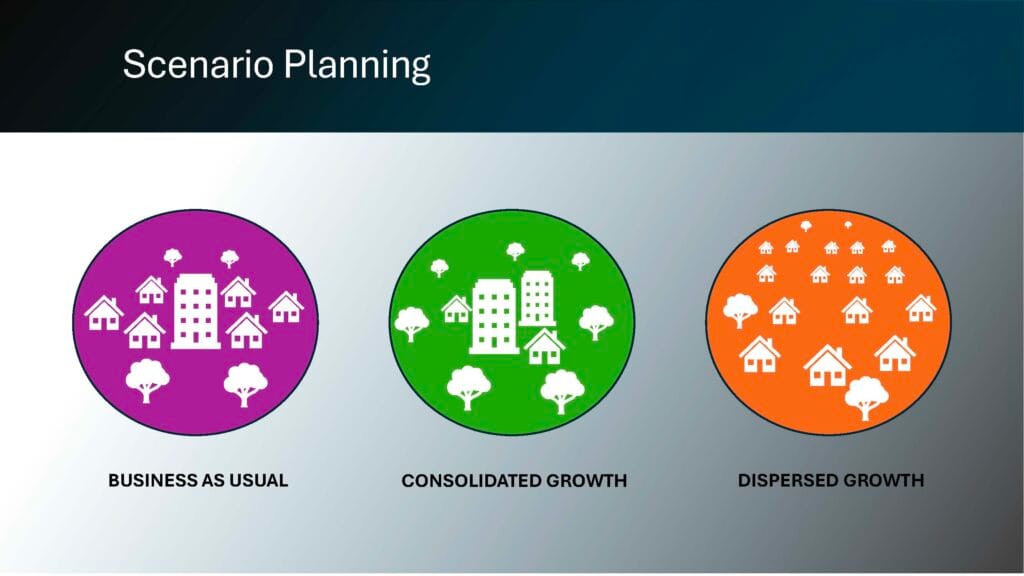
- Federal transportation dollars to improve Asheville’s streets, sidewalks, and highways are spent according to plans developed by our local Metropolitan Planning Organization.The recently approved Elevate 2050 plan lays out 3 potential growth scenarios for our area: Business as Usual, Consolidated Growth, and Dispersed Growth. Of these three scenarios, which do you think would be the best growth pattern for the Asheville area?
- Business as Usual
- Consolidated Growth
- Dispersed Growth
- Share more about why you selected this growth pattern.
- Do you accept the premise that housing growth is a strategy to prevent displacement?
- Share more about your views on housing growth and displacement.
- Research has shown that cities that create more housing options for renters through building multi-family housing do a better job at preventing and reducing homelessness. Do you think allowing middle housing types like duplexes and quadplexes by right in all residential neighborhoods would be an effective strategy to create more affordable housing in Asheville?
- Share more about your position on missing middle housing as use by right.
Complete Streets
These questions are informed by Asheville’s Complete Street Policy.
- When you think about “complete streets” in Asheville, what does that idea mean to you in practice? Can you share an example of a place where you think we’re getting it right—or could do better?
- Aside from budgetary constraints, what’s one barrier you see to Asheville becoming a safer city for people who walk, bike, use micromobility and/or assistive mobility devices?
Transit
This question is informed by the ongoing ART Comprehensive Operational Analysis.
- Asheville is in the middle of a Comprehensive Operational Analysis of our bus system. Residents were recently asked to consider two different network concepts: a coverage concept and a ridership concept. Which concept do you prefer for Asheville?
- Ridership
- Coverage
- Share more about your position regarding ridership or coverage.
Greenways & Trails
These questions are informed by Asheville’s Close the Gap Plan, Recreate Asheville, and The Hellbender Regional Plan.
- What informs your vision for Asheville’s trails and greenways, and how would you move that vision forward?
- In your view, can investments in greenways and trails support affordability in Asheville—and where should we be thoughtful or cautious?
Reconstruction
These questions are informed by Asheville’s acceptance of Community Development Block Grant – Disaster Recovery and the ongoing French Broad & Azalea Parks Recovery Project.
- The City has been allocated $225 million in CDBG-DR (Community Development Block Grant – Disaster Recovery) funds from HUD to aid our recovery from Hurricane Helene. HUD approved the city’s initial plan to spend $125 million on infrastructure, $52 million on Economic Revitalization, and $31 million on housing. Within the $31 million to be spent on housing, $28 million is dedicated to building affordable housing while the remaining $3 million is for single family home repair. Recently, the city has proposed shifting over half of the funds originally planned for affordable housing construction over to single family home repair. Would you support that proposed change?
- Yes – I support shifting over half of funds dedicated to affordable housing construction to single family home repair.
- No – I do not support shifting over half of funds dedicated to affordable housing construction to single family home repair.
- Share more about your position regarding affordable multi-family construction vs. single family home repair.
- Director D. Tyrell McGrit recently shared an update with City Council on the Riverfront Parks Recovery outreach and findings at the Jan. 13, 2026 City Council Work Session. What stands out to you about the work so far, and why?
Candidate Responses
The below candidates advanced to the general election which will be held on November 3.
Leadership & Experience
- What would you like people to know about how you listen, learn, and lead?
- I begin by listening to my community, learning the peoples’ values, priorities, and opinions because I am in service to our residents. I inform my decision making with data, because we need to be forward looking and improvement focused and generally can learn from successes in similar communities. I build systems that center participation and turn community voices into better outcomes for all.
- How do you most often travel around Asheville in your daily life, and how does that shape your experience of the city?
- I drive, walk and bike. For work, I often travel to surrounding counties necessitating the use of a car. And to run errands, I try to consolidate trips using my vehicle. I also walk and bike all over Asheville. Seeing a city on foot or bike changes your perspective. I can see the challenges, deficiencies and enhancements in infrastructure, and understand first-hand, where improvements are needed.
- What does equitable transportation investment look like to you in Asheville, and what experiences have informed how you think about it?
- We do not have enough transportation options, especially for people with disabilities and those who walk, bike, or ride the bus. I expanded multimodal infrastructure, advocated for the 2016 and 2024 bonds, helping to secure millions for sidewalks and greenways. I support the Close the GAP Plan, better transit, and the Merrimon Avenue road diet, as examples, making transportation safe and reliable.
Growth Patterns & Housing
These questions are informed by the Elevate 2050 Metropolitan Transportation Plan, Asheville Missing Middle & Displacement Risk Assessment, and Living Asheville: A Comprehensive Plan for the Future.
- Federal transportation dollars to improve Asheville’s streets, sidewalks, and highways are spent according to plans developed by our local Metropolitan Planning Organization.The recently approved Elevate 2050 plan lays out 3 potential growth scenarios for our area: Business as Usual, Consolidated Growth, and Dispersed Growth. Of these three scenarios, which do you think would be the best growth pattern for the Asheville area?
- Consolidated Growth
- Share more about why you selected this growth pattern.
- Consolidated growth makes sense for Asheville as it is focused in more urbanized, walkable areas, with existing infrastructure that supports shorter trips and encourages use of public transit, walking, biking and other modes of non-vehicle transportation. Asheville needs to concentrate new housing, jobs, and development in locations that already have a higher level of development, along dense urban corridors, rather than growing out.
- Do you accept the premise that housing growth is a strategy to prevent displacement? (Yes or No)
- Yes
- Share more about your views on housing growth and displacement.
- I support housing growth partnered with the implementation of the anti-displacement strategies recommended by the Missing Middle Housing study. Growth in housing is needed to address the affordable housing crisis and provide much needed housing to the thousands of people identified through the Bowen Housing study. But there must be increased investment in our most vulnerable neighborhoods.
- Research has shown that cities that create more housing options for renters through building multi-family housing do a better job at preventing and reducing homelessness. Do you think allowing middle housing types like duplexes and quadplexes by right in all residential neighborhoods would be an effective strategy to create more affordable housing in Asheville? (Yes or No)
- Yes
- Share more about your position on missing middle housing as use by right.
- It could be. The biggest reason some cities have high rates of homelessness and others don’t is not because of poverty, mental illness, drug use, or local politics, but because of housing costs and housing availability. Because missing middle housing is yet one more tool for growing housing availability and therefore affordability, I strongly support code changes that would make it as easy as possible to build missing middle housing.
Complete Streets
These questions are informed by Asheville’s Complete Street Policy.
- When you think about “complete streets” in Asheville, what does that idea mean to you in practice? Can you share an example of a place where you think we’re getting it right—or could do better?
- Complete streets are designed for everyone, not just drivers. They serve walkers, bikers, transit users, people of all abilities, and emergency services with sidewalks, crosswalks, bike lanes or paths, bus lanes, safe intersections, trees, lighting, and places to rest. We did this well in the RADTP. Merrimon can improve with consistent markings, protected bike lanes, and fewer curb cuts.
- Aside from budgetary constraints, what’s one barrier you see to Asheville becoming a safer city for people who walk, bike, use micromobility and/or assistive mobility devices?
- Challenges include information, communications, divisiveness, politics and misunderstanding. From my experience in the early days of RADTP, there was great apprehension by some landowners in the RAD who thought greenways and multiuse paths would negatively affect their property. Change is hard but I am a fierce advocate for the continued retrofit of Asheville to multimodal transportation infrastructure.
Transit
This question is informed by the ongoing ART Comprehensive Operational Analysis.
- Asheville is in the middle of a Comprehensive Operational Analysis of our bus system. Residents were recently asked to consider two different network concepts: a coverage concept and a ridership concept. Which concept do you prefer for Asheville?
- Ridership
- Share more about your position regarding ridership or coverage.
- I defer to transit users and experts on the best model for Asheville. I have consistently supported public transportation and its funding, seeking partnerships to reduce costs. I am concerned about the city’s capacity to provide useful service. With driver shortages and fleet challenges, ridership may be inevitable, but the community will be included in this decision.
Greenways & Trails
These questions are informed by Asheville’s Close the Gap Plan, Recreate Asheville, and The Hellbender Regional Plan.
- What informs your vision for Asheville’s trails and greenways, and how would you move that vision forward?
- I strongly support building trails and greenways envisioned by the community, providing safe, practical routes for work, school, shopping, and recreation by any mode. I’ve lived car-free in Boulder, relied on robust transit in Jerusalem, and learned from multimodal infrastructure in Minneapolis. Greenways and trails also promote health, joy, and connection through hiking and biking, something cities should provide for their communities.
- In your view, can investments in greenways and trails support affordability in Asheville—and where should we be thoughtful or cautious?
- A comprehensive, usable, safe network of greenways, trails, bikelanes, and other multimodal transportation options creates greater affordability because it creates greater accessibility. It is important to recognize the linkage between these enhancements and potential gentrification. Done right, by adding affordable housing, job opportunities, and other elements needed to level participation, greenways and trails can support affordability.
Reconstruction
These questions are informed by Asheville’s acceptance of Community Development Block Grant – Disaster Recovery and the ongoing French Broad & Azalea Parks Recovery Project.
- The City has been allocated $225 million in CDBG-DR (Community Development Block Grant – Disaster Recovery) funds from HUD to aid our recovery from Hurricane Helene. HUD approved the city’s initial plan to spend $125 million on infrastructure, $52 million on Economic Revitalization, and $31 million on housing. Within the $31 million to be spent on housing, $28 million is dedicated to building affordable housing while the remaining $3 million is for single family home repair. Recently, the city has proposed shifting over half of the funds originally planned for affordable housing construction over to single family home repair. Would you support that proposed change?
- Yes – I support shifting over half of funds dedicated to affordable housing construction to single family home repair.
- Share more about your position regarding affordable multi-family construction vs. single family home repair.
- Asheville’s housing affordability crisis must be addressed through every tool available, including building more affordable multi-family housing and funding single-family home repairs. Regarding CDBG-DR funds, federal and state rules, combined with underestimated Hurricane Helene damage, required the city to shift some multi-family funds to single-family home repairs.
- Director D. Tyrell McGrit recently shared an update with City Council on the Riverfront Parks Recovery outreach and findings at the Jan. 13, 2026 City Council Work Session. What stands out to you about the work so far, and why?
- I am committed to rebuilding the parks along the Swannanoa and French Broad Rivers better than before. Since Hurricane Helene, I have worked to secure federal, hazard mitigation, and CDBG-DR funds. This community-led process uses residents’ vision to create resilient, improved parks. While complex and costly, the public is eager to see this work done quickly and well.

Due to content limits on this questionnaire, I invite friends & neighbors to visit my full answers with links on the blog at KimRoney4Asheville.com
Leadership & Experience
- What would you like people to know about how you listen, learn, and lead?
- As a current Council member, I show up:
- By & for community: I commute, volunteer, and engage with community, accessible for input, accountability, and collaboration.
- By the numbers: I review data-driven solutions and innovations to work towards common goals.
- By the minute: Through Monday Minute, I invite friends & neighbors to know what’s going on in City Hall and what we can do about it.
- As a current Council member, I show up:
- How do you most often travel around Asheville in your daily life, and how does that shape your experience of the city?
- Since donating our family car in 2008, I’ve prioritized reducing my reliance on fossil fuels by walking, biking, using public transit, and carpooling.
Using active transportation means bringing my lived experience to decision-making on Asheville City Council, on the MPO, as liaison to the Transit Committee, and as a member of ART-C advocating for public transit.
- Since donating our family car in 2008, I’ve prioritized reducing my reliance on fossil fuels by walking, biking, using public transit, and carpooling.
- What does equitable transportation investment look like to you in Asheville, and what experiences have informed how you think about it?
- Asheville’s many studies acknowledge our history and data-driven solutions for repairing harms. Implementing change means allocating staff & budget resources to get things done.
Relationships inform my thinking. There’s a community garden in every vulnerable neighborhood identified through the Climate Justice Initiative. Volunteering is a delightful way to grow relationships and food security.
- Asheville’s many studies acknowledge our history and data-driven solutions for repairing harms. Implementing change means allocating staff & budget resources to get things done.
Growth Patterns & Housing
These questions are informed by the Elevate 2050 Metropolitan Transportation Plan, Asheville Missing Middle & Displacement Risk Assessment, and Living Asheville: A Comprehensive Plan for the Future.
- Federal transportation dollars to improve Asheville’s streets, sidewalks, and highways are spent according to plans developed by our local Metropolitan Planning Organization.The recently approved Elevate 2050 plan lays out 3 potential growth scenarios for our area: Business as Usual, Consolidated Growth, and Dispersed Growth. Of these three scenarios, which do you think would be the best growth pattern for the Asheville area?
- Consolidated Growth
- Share more about why you selected this growth pattern.
- Strong Towns and local Urban 3 data shows density on transit corridors reduces vehicle miles traveled, carbon emissions, cost of living, and demand for parking. It’s an issue of short and long-term planning to build & maintain infrastructure.
With action including anti-displacement strategies, land-banking, and incentive programs, we can achieve consolidated growth with true solutions for affordability and housing for all.
- Strong Towns and local Urban 3 data shows density on transit corridors reduces vehicle miles traveled, carbon emissions, cost of living, and demand for parking. It’s an issue of short and long-term planning to build & maintain infrastructure.
- Do you accept the premise that housing growth is a strategy to prevent displacement? (Yes or No)
- Yes
- Share more about your views on housing growth and displacement.
- I support the Missing Middle Housing Study and Displacement Risk Assessment.
So what do we do within the limitations on cities in NC?- Reduce Displacement: Please read Chapter 5 of Asheville’s Missing Middle Housing study
- Leverage Lived & Professional Experience
- Partner for solutions
- I support the Missing Middle Housing Study and Displacement Risk Assessment.
- Research has shown that cities that create more housing options for renters through building multi-family housing do a better job at preventing and reducing homelessness. Do you think allowing middle housing types like duplexes and quadplexes by right in all residential neighborhoods would be an effective strategy to create more affordable housing in Asheville? (Yes or No)
- Yes
- Share more about your position on missing middle housing as use by right.
- Adding to my position supporting the Missing Middle Housing Study, I advocate for a community benefits table for use by right development of housing density on transit corridors–just like the City uses for hotels.
Apply design standards; use transit corridor maps from Missing Middle study; and pass a benefits table allowing developers to expedite processes, redirecting cost savings from lengthy approval processes into supportive infrastructure.
- Adding to my position supporting the Missing Middle Housing Study, I advocate for a community benefits table for use by right development of housing density on transit corridors–just like the City uses for hotels.
Complete Streets
These questions are informed by Asheville’s Complete Street Policy.
- When you think about “complete streets” in Asheville, what does that idea mean to you in practice? Can you share an example of a place where you think we’re getting it right—or could do better?
- Owning a vehicle shouldn’t be a prerequisite for getting to work, shopping, or school. Asheville must prioritize design so everyone gets to their destination safely.
Getting right: Merrimon Ave. reconfiguration; Coxe Ave. tactical urbanism pilot; protected bike lanes in RAD.
Do better: Connecting state roads to neighborhoods; ADA-compliant, safe design infrastructure; and safe crossings including longer crossing times at intersections.
- Owning a vehicle shouldn’t be a prerequisite for getting to work, shopping, or school. Asheville must prioritize design so everyone gets to their destination safely.
- Aside from budgetary constraints, what’s one barrier you see to Asheville becoming a safer city for people who walk, bike, use micromobility and/or assistive mobility devices?
- State-maintained roads are the spines of our neighborhoods, but we’re choosing interstate expansion instead, and my record voting against that reflects my concern.
Transit
This question is informed by the ongoing ART Comprehensive Operational Analysis.
- Asheville is in the middle of a Comprehensive Operational Analysis of our bus system. Residents were recently asked to consider two different network concepts: a coverage concept and a ridership concept. Which concept do you prefer for Asheville?
- Coverage
- Share more about your position regarding ridership or coverage.
- Asheville needs coverage and ridership.
If we reduce coverage, workers and families have to buy another car, pay a cab, or relocate. More cars means more carbon emissions, traffic, and parking demand.
If we want just ridership, we’d move to fare free, proven to increase ridership.
In our Council 3×3 presentation on the current study, we learned the real purpose of the study was to make the case for more, dedicated funding to expand transit.
- Asheville needs coverage and ridership.
Greenways & Trails
These questions are informed by Asheville’s Close the Gap Plan, Recreate Asheville, and The Hellbender Regional Plan.
- What informs your vision for Asheville’s trails and greenways, and how would you move that vision forward?
- When we ensure our multimodal infrastructure is ADA-compliant, we invest in infrastructure that benefits everyone. Here are a few ways to move forward together:
- Dedicated transit funding that includes connective infrastructure of sidewalks, greenways, and safe routes to schools;
- A community benefits table for housing development; and
- Partnering with NCDOT & MPO staff to expedite construction of approved projects that have been delayed
- When we ensure our multimodal infrastructure is ADA-compliant, we invest in infrastructure that benefits everyone. Here are a few ways to move forward together:
- In your view, can investments in greenways and trails support affordability in Asheville—and where should we be thoughtful or cautious?
- Location affordability data connects housing & transportation costs. Deeply-affordable housing on transit corridors close to jobs, groceries, education, and childcare options is key to making Asheville a safe, affordable place to live and work.
Access to housing and transportation options is linked to the social determinants of health, part of achieving a Healthy and Well-Planned Community for all.
- Location affordability data connects housing & transportation costs. Deeply-affordable housing on transit corridors close to jobs, groceries, education, and childcare options is key to making Asheville a safe, affordable place to live and work.
Reconstruction
These questions are informed by Asheville’s acceptance of Community Development Block Grant – Disaster Recovery and the ongoing French Broad & Azalea Parks Recovery Project.
- The City has been allocated $225 million in CDBG-DR (Community Development Block Grant – Disaster Recovery) funds from HUD to aid our recovery from Hurricane Helene. HUD approved the city’s initial plan to spend $125 million on infrastructure, $52 million on Economic Revitalization, and $31 million on housing. Within the $31 million to be spent on housing, $28 million is dedicated to building affordable housing while the remaining $3 million is for single family home repair. Recently, the city has proposed shifting over half of the funds originally planned for affordable housing construction over to single family home repair. Would you support that proposed change?
- No – I do not support shifting over half of funds dedicated to affordable housing construction to single family home repair.
- Share more about your position regarding affordable multi-family construction vs. single family home repair.
- The harsh reality: Asheville received $225-million in CDBG-DR funds to address $1.1-billion in damages to our housing, infrastructure and economy. This decision reveals the need for more funding to deliver a true recovery from the catastrophe of Hurricane Helene.
My position in this questionnaire may shift with new data and analysis, including hearing staff and Council recommendations at the Housing & Community Development Committee level.
- The harsh reality: Asheville received $225-million in CDBG-DR funds to address $1.1-billion in damages to our housing, infrastructure and economy. This decision reveals the need for more funding to deliver a true recovery from the catastrophe of Hurricane Helene.
- Director D. Tyrell McGrit recently shared an update with City Council on the Riverfront Parks Recovery outreach and findings at the Jan. 13, 2026 City Council Work Session. What stands out to you about the work so far, and why?
- City staff are synchronizing plans, including the Recreate Asheville 10-Year Parks & Rec Plan, engaging community along the way.
Many parks are adjacent to rivers & streams, an added benefit to our multimodal transportation network. Karen Cragnolin park is an example of how riparian buffers & native plant species make our parks & multimodal infrastructure more resilient during flooding, a model for Helene recovery and resilient infrastructure.
- City staff are synchronizing plans, including the Recreate Asheville 10-Year Parks & Rec Plan, engaging community along the way.
More info on me can be found at Ball4Yall.com. I appreciate Asheville on Bikes, MountainTrue and Strong Towns combining forces. Y’all are already a powerful coalition and I’m excited to see all you’ll do to move smart policy forward!
Leadership & Experience
- What would you like people to know about how you listen, learn, and lead?
- I lead by showing up and listening with an open heart and an open mind, because the people closest to the challenges often hold the best solutions. Public service works when leaders are accessible, transparent, and willing to learn. My approach is grounded in two decades of community organizing and environmental advocacy.
- How do you most often travel around Asheville in your daily life, and how does that shape your experience of the city?
- I drive most days but biking is my favorite way to experience Asheville. At different times, where I’ve lived shaped what was possible: downtown made biking and walking easy; Oakley made it harder; West Asheville makes it feasible again though downtown trips usually means driving. Years of daily cycling in DC taught me how healthier, happier, and connected a dense, bike-friendly city can be.
- What does equitable transportation investment look like to you in Asheville, and what experiences have informed how you think about it?
- It means designing our streets so everyone can get around safely and efficiently, whether they drive, bike, walk, or rely on transit. My thinking is shaped by living in many parts of the city, traveling, and having lived in places where safe bike networks and reliable transit were part of everyday life. Complete, connected systems expand opportunity, improve public health, and make life easier.
Growth Patterns & Housing
These questions are informed by the Elevate 2050 Metropolitan Transportation Plan, Asheville Missing Middle & Displacement Risk Assessment, and Living Asheville: A Comprehensive Plan for the Future.
- Federal transportation dollars to improve Asheville’s streets, sidewalks, and highways are spent according to plans developed by our local Metropolitan Planning Organization.The recently approved Elevate 2050 plan lays out 3 potential growth scenarios for our area: Business as Usual, Consolidated Growth, and Dispersed Growth. Of these three scenarios, which do you think would be the best growth pattern for the Asheville area?
- Consolidated Growth
- Share more about why you selected this growth pattern.
- A consolidated growth pattern helps people spend less time stuck in traffic and more time living their lives. It puts homes closer to jobs, schools, and services, makes walking, biking, and transit safer, and more feasible. It lowers costs for families and the city, now and in the future, by making smarter infrastructure investments. It reduces displacement, cuts pollution, and protects the character that makes Asheville special.
- Do you accept the premise that housing growth is a strategy to prevent displacement? (Yes or No)
- Yes
- Share more about your views on housing growth and displacement.
- Housing costs, displacement and homelessness are directly connected, and they’re rising faster in our region than the state average due to past policy choices. We have the data, tools, and guidance to do better but what we need is the political will and leadership ready to build coalitions and deliver real housing solutions.
- Research has shown that cities that create more housing options for renters through building multi-family housing do a better job at preventing and reducing homelessness. Do you think allowing middle housing types like duplexes and quadplexes by right in all residential neighborhoods would be an effective strategy to create more affordable housing in Asheville? (Yes or No)
- Yes
- Share more about your position on missing middle housing as use by right.
- Missing-middle housing by right is a low-cost way to expand Asheville’s housing supply. Multifamily homes on existing infrastructure can lower per-unit costs, increase supply without sprawl, slow rent growth, reduce displacement, increase our tax base, and improve fiscal outcomes, keeping neighborhoods stable and residents out of housing insecurity or homelessness.
Complete Streets
These questions are informed by Asheville’s Complete Street Policy.
- When you think about “complete streets” in Asheville, what does that idea mean to you in practice? Can you share an example of a place where you think we’re getting it right—or could do better?
- Complete streets mean designing roads so everyone can travel safely and efficiently by bike, foot, bus, or car. Through smart planning, we can encourage healthier transportation, improve public transit, and prioritize safety and equity. Every street has context, and good design ensures all users can get where they need to go safely. I’m excited Haywood Rd in West Asheville will soon have more bike lanes!
- Aside from budgetary constraints, what’s one barrier you see to Asheville becoming a safer city for people who walk, bike, use micromobility and/or assistive mobility devices?
- The biggest barrier is focus. There are many competing priorities, and safe, walkable, bikeable streets don’t happen on their own. Asheville has a backlog of strong complete streets projects, it just needs commitment, drive, and some matching funds to make them a reality. Asheville can have nice things!
Transit
This question is informed by the ongoing ART Comprehensive Operational Analysis.
- Asheville is in the middle of a Comprehensive Operational Analysis of our bus system. Residents were recently asked to consider two different network concepts: a coverage concept and a ridership concept. Which concept do you prefer for Asheville?
- Ridership
- Share more about your position regarding ridership or coverage.
- I support a ridership focused network to increase frequency on major transit corridors. It’s not fair that people who rely on buses must wait so long. Residents deserve more frequent, reliable service. Higher-frequency routes encourage smart growth and housing density, keeping transit accessible and effective as the city grows.
Greenways & Trails
These questions are informed by Asheville’s Close the Gap Plan, Recreate Asheville, and The Hellbender Regional Plan.
- What informs your vision for Asheville’s trails and greenways, and how would you move that vision forward?
- Greenways aren’t just pretty, healthy and fun, they support local businesses and attract community activity. I’m focused on expanding and interconnecting trails to make them useful for transportation and recreation. On the County Commission, I’ve advanced our greenway master plan, built partnerships, and advocated steadily, and I’m running to continue this work.
- In your view, can investments in greenways and trails support affordability in Asheville—and where should we be thoughtful or cautious?
- I support expanding connected greenways, but we should pair them with anti-displacement policies. Greenways work best when they improve communities and stay near long-term affordable housing, enhancing access without driving up costs or attracting luxury development. Investments in trails can support affordability if guided by thoughtful planning and an anti-displacement framework.
Reconstruction
These questions are informed by Asheville’s acceptance of Community Development Block Grant – Disaster Recovery and the ongoing French Broad & Azalea Parks Recovery Project.
- The City has been allocated $225 million in CDBG-DR (Community Development Block Grant – Disaster Recovery) funds from HUD to aid our recovery from Hurricane Helene. HUD approved the city’s initial plan to spend $125 million on infrastructure, $52 million on Economic Revitalization, and $31 million on housing. Within the $31 million to be spent on housing, $28 million is dedicated to building affordable housing while the remaining $3 million is for single family home repair. Recently, the city has proposed shifting over half of the funds originally planned for affordable housing construction over to single family home repair. Would you support that proposed change?
- No – I do not support shifting over half of funds dedicated to affordable housing construction to single family home repair.
- Share more about your position regarding affordable multi-family construction vs. single family home repair.
- Shifting most affordable housing CDBG‑DR funds to single‑family repair was not the only option. We need both, and should use other funding sources and advocate for more state/federal support rather than weaken our affordable housing investment. Providing funding to get families back in their homes is critical, but we can spread out the cost burden, shifting some funds from areas like Commercial District Revitalization can help meet the gap.
- Director D. Tyrell McGrit recently shared an update with City Council on the Riverfront Parks Recovery outreach and findings at the Jan. 13, 2026 City Council Work Session. What stands out to you about the work so far, and why?
- Asheville has always been civic-minded and committed to stewardship, and the Riverfront Parks outreach reflects that. The city has created space for hundreds of residents in person and thousands online to share input. The best ideas come from those directly impacted, and we should honor our resident’s input. I’m running to continue this steady, transparent, partnership-driven approach.
Leadership & Experience
- What would you like people to know about how you listen, learn, and lead?
- I meet people where they are—not just at City Hall. I use social media for public accountability, posting short videos to explain what happened at city council meetings. Through Coffee with a Councilwoman, town halls, a monthly newsletter, and more than 1,700 doors knocked, I listen first. Those front-porch conversations shape my collaborative, inclusive, results-oriented leadership.
- How do you most often travel around Asheville in your daily life, and how does that shape your experience of the city?
- Living less than a mile from work, I usually bike or take the bus—and drive when needed. Experiencing Asheville this way keeps me grounded. You feel what’s working, where small fixes matter, and how investments show up in daily life. That perspective is why I’m seeking re-election: to keep delivering practical results that make Asheville safer and more connected for everyone.
- What does equitable transportation investment look like to you in Asheville, and what experiences have informed how you think about it?
- Equitable transportation means safe choices to get around. When walking, biking, and transit are reliable—not just theoretically available—people aren’t forced into car ownership. Listening to residents citywide has shown me how gaps in infrastructure affect their lives. Designing streets that work for families, seniors, workers, and people with disabilities builds a fairer city for everyone.
Growth Patterns & Housing
These questions are informed by the Elevate 2050 Metropolitan Transportation Plan, Asheville Missing Middle & Displacement Risk Assessment, and Living Asheville: A Comprehensive Plan for the Future.
- Federal transportation dollars to improve Asheville’s streets, sidewalks, and highways are spent according to plans developed by our local Metropolitan Planning Organization.The recently approved Elevate 2050 plan lays out 3 potential growth scenarios for our area: Business as Usual, Consolidated Growth, and Dispersed Growth. Of these three scenarios, which do you think would be the best growth pattern for the Asheville area?
- Consolidated Growth
- Share more about why you selected this growth pattern.
- Consolidated Growth scenario aligns land use, transportation, and housing so public investments work harder. Focusing growth in existing corridors delivers safer streets, better sidewalks, and more reliable transit where people already live and work. It supports affordability, reduces car dependence, protects our tax base, while strengthening neighborhood connections and livability.
- Do you accept the premise that housing growth is a strategy to prevent displacement? (Yes or No)
- Yes
- Share more about your views on housing growth and displacement.
- Yes. When housing growth is intentional and well-located, it helps prevent displacement. When we don’t build enough homes, prices rise and longtime residents can be pushed out. Thoughtful growth in existing neighborhoods and corridors relieves that pressure, reduces sprawl and transportation costs, and helps people stay near work and services—especially when paired with strong anti-displacement tools.
- Research has shown that cities that create more housing options for renters through building multi-family housing do a better job at preventing and reducing homelessness. Do you think allowing middle housing types like duplexes and quadplexes by right in all residential neighborhoods would be an effective strategy to create more affordable housing in Asheville? (Yes or No)
- Yes
- Share more about your position on missing middle housing as use by right.
- Allowing middle housing expands housing options and helps reduce displacement and homelessness. Zoning more homes near jobs and transit eases rent pressure, cuts sprawl, and lowers transportation costs. We’ve made modest reforms, but we need clearer rules, reduced parking requirements, and broader by-right allowances so housing can be built faster and more affordably—especially where infrastructure already exists, including downtown.
Complete Streets
These questions are informed by Asheville’s Complete Street Policy.
- When you think about “complete streets” in Asheville, what does that idea mean to you in practice? Can you share an example of a place where you think we’re getting it right—or could do better?
- Complete streets mean designing for how people actually move—not just cars—to prioritize safety and connectivity, while being honest about today’s cost and delivery constraints. Bike lanes on College Street and Patton Avenue are keystone projects that improve safety downtown and unlock the broader network.Complete streets aren’t a checklist—they’re about outcomes and a connected system people can use.
- Aside from budgetary constraints, what’s one barrier you see to Asheville becoming a safer city for people who walk, bike, use micromobility and/or assistive mobility devices?
- Culture. We need to keep leading a shift in how we share our streets. That means recognizing that our roads serve many users—people walking, biking, using mobility devices, transit, and cars—and designing and operating them to reduce conflict, improve safety, and build mutual respect among all users.
Transit
This question is informed by the ongoing ART Comprehensive Operational Analysis.
- Asheville is in the middle of a Comprehensive Operational Analysis of our bus system. Residents were recently asked to consider two different network concepts: a coverage concept and a ridership concept. Which concept do you prefer for Asheville?
- Ridership
- Share more about your position regarding ridership or coverage.
- I support a ridership-focused transit network, with targeted coverage where it’s most needed. With limited resources, Asheville should prioritize frequent, reliable service on key corridors so transit is a real option for daily trips. This approach connects people to jobs, schools, and healthcare, lowers transportation costs, strengthens the system long-term, and supports equity, climate goals, and future investment.
Greenways & Trails
These questions are informed by Asheville’s Close the Gap Plan, Recreate Asheville, and The Hellbender Regional Plan.
- What informs your vision for Asheville’s trails and greenways, and how would you move that vision forward?
- My vision for Asheville’s trails and greenways comes from seeing families use them every day—kids learning to ride, parents with strollers, neighbors walking, seniors staying active. Greenways are about connection, health, and access, not just recreation. Moving forward means finishing what we’ve started, closing gaps between neighborhoods, parks, schools, and downtown, and designing trails that feel safe and welcoming for all ages and abilities.
- In your view, can investments in greenways and trails support affordability in Asheville—and where should we be thoughtful or cautious?
- Yes—greenways and trails support affordability when they function as part of a connected transportation network. By linking neighborhoods to jobs, schools, and transit, they reduce car dependence and household costs. To avoid displacement, greenway investments should be paired with affordability protections and focus on closing gaps that serve existing residents, not isolated, high-end amenities.
Reconstruction
These questions are informed by Asheville’s acceptance of Community Development Block Grant – Disaster Recovery and the ongoing French Broad & Azalea Parks Recovery Project.
- The City has been allocated $225 million in CDBG-DR (Community Development Block Grant – Disaster Recovery) funds from HUD to aid our recovery from Hurricane Helene. HUD approved the city’s initial plan to spend $125 million on infrastructure, $52 million on Economic Revitalization, and $31 million on housing. Within the $31 million to be spent on housing, $28 million is dedicated to building affordable housing while the remaining $3 million is for single family home repair. Recently, the city has proposed shifting over half of the funds originally planned for affordable housing construction over to single family home repair. Would you support that proposed change?
- No – I do not support shifting over half of funds dedicated to affordable housing construction to single family home repair.
- Share more about your position regarding affordable multi-family construction vs. single family home repair.
- I wouldn’t support shifting over half of our affordable housing funds to single-family repairs. Helping residents fix storm damage and stay housed is essential and should be funded. But this is a once-in-a-generation chance to invest federal dollars in long-term affordable multifamily housing for displaced residents, workers, and seniors. We need balance—without sacrificing future housing supply and stability.
- Director D. Tyrell McGrit recently shared an update with City Council on the Riverfront Parks Recovery outreach and findings at the Jan. 13, 2026 City Council Work Session. What stands out to you about the work so far, and why?
- What stood out most was the depth of care and seriousness the recovery boards are bringing to this work. It was clear how much time and thought community members are investing to shape decisions that will last generations. With nearly $1 billion in federal recovery funding coming to Asheville, this early, meaningful engagement is essential to guide complex rebuilds over the next five years and set the foundation for strong, lasting outcomes.
Leadership & Experience
- What would you like people to know about how you listen, learn, and lead?
- I lead by listening first and acting with intention. My approach is grounded in direct engagement with residents, small businesses, and community organizations, especially those most impacted by policy decisions. I value data, lived experience, and accountability. Good leadership means adapting when something isn’t working and focusing on outcomes, not just plans.
- How do you most often travel around Asheville in your daily life, and how does that shape your experience of the city?
- I live in West Asheville, and when we travel to West Asheville, the River Arts District, or downtown, we often walk or bike when weather allows. After nearly twenty years in New York City, walkability became central to how I experience a city. Walking connects us to neighbors and small businesses and makes gaps in safety, access, and connectivity easy to see.
- What does equitable transportation investment look like to you in Asheville, and what experiences have informed how you think about it?
- Equitable transportation investment means building systems that work for people who rely on them every day. That includes safe sidewalks, reliable transit, bike infrastructure, and streets that protect pedestrians, seniors, and people with disabilities. My perspective comes from living car-light and working with people who depend on transit and walkability.
Growth Patterns & Housing
These questions are informed by the Elevate 2050 Metropolitan Transportation Plan, Asheville Missing Middle & Displacement Risk Assessment, and Living Asheville: A Comprehensive Plan for the Future.
- Federal transportation dollars to improve Asheville’s streets, sidewalks, and highways are spent according to plans developed by our local Metropolitan Planning Organization.The recently approved Elevate 2050 plan lays out 3 potential growth scenarios for our area: Business as Usual, Consolidated Growth, and Dispersed Growth. Of these three scenarios, which do you think would be the best growth pattern for the Asheville area?
- Consolidated Growth
- Share more about why you selected this growth pattern.
- Consolidated growth best aligns housing, transportation, infrastructure, and climate resilience. Focusing growth near jobs, services, and transit reduces sprawl, lowers infrastructure costs, and supports walking, biking, and transit. It improves affordability by adding housing where people already live and work while protecting rural areas and watersheds.
- Do you accept the premise that housing growth is a strategy to prevent displacement? (Yes or No)
- Yes
- Share more about your views on housing growth and displacement.
- When housing supply does not keep pace with demand, displacement increases. Thoughtful housing growth can reduce pressure on rents and prices while creating more options across income levels. Growth must be paired with anti-displacement strategies and preservation of existing affordable housing. Location matters. Housing near jobs, transit, and services keeps people connected to opportunity. Delay and inaction worsen displacement.
- Research has shown that cities that create more housing options for renters through building multi-family housing do a better job at preventing and reducing homelessness. Do you think allowing middle housing types like duplexes and quadplexes by right in all residential neighborhoods would be an effective strategy to create more affordable housing in Asheville? (Yes or No)
- Yes
- Share more about your position on missing middle housing as use by right.
- Allowing missing middle housing by right is key to expanding housing options and affordability. Duplexes, triplexes, and quadplexes were once common in Asheville and add gentle density without changing neighborhood character. By right rules reduce cost and uncertainty for homeowners and small builders. These homes support walkability, transit, and efficient infrastructure. Missing middle housing is not the only solution, but it is necessary.
Complete Streets
These questions are informed by Asheville’s Complete Street Policy.
- When you think about “complete streets” in Asheville, what does that idea mean to you in practice? Can you share an example of a place where you think we’re getting it right—or could do better?
- Complete streets mean designing roads for everyone, not just cars, including people who walk, bike, use transit, or mobility devices. That means safe crossings, connected sidewalks, protected bike lanes, and slower speeds where people live and work. We are getting it right in parts of downtown and some newer corridors, but too many streets still have gaps or unsafe crossings. Streets should feel safe and intuitive, not like an afterthought.
- Aside from budgetary constraints, what’s one barrier you see to Asheville becoming a safer city for people who walk, bike, use micromobility and/or assistive mobility devices?
- A major barrier is prioritizing vehicle speed over safety and access. Too often, projects favor cars instead of the people using streets every day. Another challenge is siloed decision-making, where transportation, land use, and public works are not aligned. We need clear safety-first standards and accountability. Streets reflect values, and people should come first.
Transit
This question is informed by the ongoing ART Comprehensive Operational Analysis.
- Asheville is in the middle of a Comprehensive Operational Analysis of our bus system. Residents were recently asked to consider two different network concepts: a coverage concept and a ridership concept. Which concept do you prefer for Asheville?
- Ridership
- Share more about your position regarding ridership or coverage.
- I support a ridership-focused network because frequent, reliable service is what makes transit usable for daily life. Transit that connects major destinations and runs often builds trust and increases ridership. Coverage still matters for equity, seniors, and people with limited mobility. The goal is a strong ridership backbone paired with targeted coverage solutions so transit is dependable and easy to use.
Greenways & Trails
These questions are informed by Asheville’s Close the Gap Plan, Recreate Asheville, and The Hellbender Regional Plan.
- What informs your vision for Asheville’s trails and greenways, and how would you move that vision forward?
- Greenways and trails should function as transportation, recreation, and resilience infrastructure. They connect neighborhoods, offer safe alternatives to driving, and improve quality of life. My vision is a connected network that serves everyday needs, not just recreation. Progress means closing gaps, linking housing, schools, and jobs, coordinating across jurisdictions, and centering equity and community input.
- In your view, can investments in greenways and trails support affordability in Asheville—and where should we be thoughtful or cautious?
- Yes, greenways can support affordability by reducing transportation costs and improving access to opportunity. However, we must be careful about displacement and rising land values near new investments. Greenway planning should be paired with housing protections and affordability strategies. Infrastructure should benefit existing residents, not price them out. Thoughtful sequencing and policy alignment matter.
Reconstruction
These questions are informed by Asheville’s acceptance of Community Development Block Grant – Disaster Recovery and the ongoing French Broad & Azalea Parks Recovery Project.
- The City has been allocated $225 million in CDBG-DR (Community Development Block Grant – Disaster Recovery) funds from HUD to aid our recovery from Hurricane Helene. HUD approved the city’s initial plan to spend $125 million on infrastructure, $52 million on Economic Revitalization, and $31 million on housing. Within the $31 million to be spent on housing, $28 million is dedicated to building affordable housing while the remaining $3 million is for single family home repair. Recently, the city has proposed shifting over half of the funds originally planned for affordable housing construction over to single family home repair. Would you support that proposed change?
- No – I do not support shifting over half of funds dedicated to affordable housing construction to single family home repair.
- Share more about your position regarding affordable multi-family construction vs. single family home repair.
- Both affordable housing construction and home repair are essential to preventing displacement after Hurricane Helene. Repair funding must expand so vulnerable residents can stay in their homes. Shifting most funds away from affordable housing risks worsening long-term shortages. The right approach is a balanced recovery that supports repairs, protects affordable housing, and seeks additional funding rather than a zero-sum choice.
- Director D. Tyrell McGrit recently shared an update with City Council on the Riverfront Parks Recovery outreach and findings at the Jan. 13, 2026 City Council Work Session. What stands out to you about the work so far, and why?
- What stands out is the level of community engagement and the recognition that recovery must be both ecological and social. The process has centered listening, transparency, and long-term resilience. The focus on floodplain function, access, and public benefit reflects lessons learned from Helene. It is encouraging to see recovery framed as an opportunity to do better, not just restore what was lost. That mindset is essential moving forward.
Leadership & Experience
- What would you like people to know about how you listen, learn, and lead?
- I listen by showing up, asking specific questions, and staying grounded in what residents experience, not what sounds good in a meeting. I learn by doing the homework, reading the details, and testing ideas against what the city can actually implement. I lead by turning input into action, setting clear goals, and delivering results with transparency and accountability.
- How do you most often travel around Asheville in your daily life, and how does that shape your experience of the city?
- Most days I travel by car. Earlier in my life I relied on the bus until about age 24, so I know what it means when transit is the difference between opportunity and being stuck. That experience shapes my view that mobility is access to work, school, health care, and daily life.
- What does equitable transportation investment look like to you in Asheville, and what experiences have informed how you think about it?
- Equitable transportation means a city where everyday riders are safe, not just the fearless few. Build connected protected bike routes on real corridors, safer intersections, traffic calming, and quick build fixes on high crash streets, starting in underserved areas. Treat every repaving as Complete Streets. I rode the bus until 24, so I know mobility is access.
Growth Patterns & Housing
These questions are informed by the Elevate 2050 Metropolitan Transportation Plan, Asheville Missing Middle & Displacement Risk Assessment, and Living Asheville: A Comprehensive Plan for the Future.
- Federal transportation dollars to improve Asheville’s streets, sidewalks, and highways are spent according to plans developed by our local Metropolitan Planning Organization.The recently approved Elevate 2050 plan lays out 3 potential growth scenarios for our area: Business as Usual, Consolidated Growth, and Dispersed Growth. Of these three scenarios, which do you think would be the best growth pattern for the Asheville area?
- Consolidated Growth
- Share more about why you selected this growth pattern.
- I selected Consolidated Growth because it is the most fiscally responsible and the most livable. Concentrating growth where infrastructure already exists lowers per household costs for roads, water, sewer, and stormwater. It also makes transit, sidewalks, and bike networks work better because destinations are closer, reducing traffic and vehicle miles traveled.
- Do you accept the premise that housing growth is a strategy to prevent displacement? (Yes or No)
- Yes
- Share more about your views on housing growth and displacement.
- Yes, with a clear condition. Housing growth can prevent displacement only if we build enough homes fast enough and pair that growth with affordability protections. More supply reduces upward pressure on rents, but without permanent affordability tools and anti displacement strategies, growth can still price people out. The strategy has to be both. Build more and lock in protections so existing residents benefit.
- Research has shown that cities that create more housing options for renters through building multi-family housing do a better job at preventing and reducing homelessness. Do you think allowing middle housing types like duplexes and quadplexes by right in all residential neighborhoods would be an effective strategy to create more affordable housing in Asheville? (Yes or No)
- Yes
- Share more about your position on missing middle housing as use by right.
- Yes, with guardrails. By right duplexes to quadplexes can expand options and add gentle density without massive redevelopment, which helps relieve rent pressure. It should be paired with clear objective standards, faster permitting, and infrastructure alignment, plus affordability and anti displacement tools so existing residents benefit.
Complete Streets
These questions are informed by Asheville’s Complete Street Policy.
- When you think about “complete streets” in Asheville, what does that idea mean to you in practice? Can you share an example of a place where you think we’re getting it right—or could do better?
- Complete streets means designing every project for safe access for all users, walkers, people with disabilities, transit riders, cyclists, and drivers, not just moving cars fast. It is a project standard. Every resurfacing should include safer crossings, continuous sidewalks, ADA ramps, better bus stop access, and connected bike routes. Merrimon is a place we can do better with safer speeds and crossings.
- Aside from budgetary constraints, what’s one barrier you see to Asheville becoming a safer city for people who walk, bike, use micromobility and/or assistive mobility devices?
- One barrier is inconsistent implementation. Asheville has a Complete Streets policy, but safety still gets decided project by project. Without clear standards and accountability, we get gaps, missing connections, and designs that do not feel safe for everyday walkers, riders, and people using assistive devices. Safety elements should be the default, not debated from scratch each time.
Transit
This question is informed by the ongoing ART Comprehensive Operational Analysis.
- Asheville is in the middle of a Comprehensive Operational Analysis of our bus system. Residents were recently asked to consider two different network concepts: a coverage concept and a ridership concept. Which concept do you prefer for Asheville?
- Ridership
- Share more about your position regarding ridership or coverage.
- I prefer the ridership concept. Frequency and reliability are what make transit usable for working people, students, and seniors. In a resource constrained system, concentrating service on the strongest corridors creates a dependable core network that more people will actually use. We should pair that with targeted solutions so areas with less fixed route frequency still have access through strong connections and first and last mile options.
Greenways & Trails
These questions are informed by Asheville’s Close the Gap Plan, Recreate Asheville, and The Hellbender Regional Plan.
- What informs your vision for Asheville’s trails and greenways, and how would you move that vision forward?
- My vision is trails and greenways as transportation and public health infrastructure, not just recreation. They should connect neighborhoods to schools, jobs, transit, parks, and commercial areas with safe crossings and ADA access. To move it forward I would prioritize gap closing connections, coordinate funding and right of way, build segments in connected phases, and fund maintenance so the network stays usable.
- In your view, can investments in greenways and trails support affordability in Asheville—and where should we be thoughtful or cautious?
- Yes. Greenways can support affordability by lowering transportation costs and improving access to jobs and services without requiring a car. We should be cautious about displacement. Public investments can raise nearby property values, so pair greenways with anti displacement and permanent affordability tools. Also avoid disconnected segments and fund maintenance so the network stays safe and usable.
Reconstruction
These questions are informed by Asheville’s acceptance of Community Development Block Grant – Disaster Recovery and the ongoing French Broad & Azalea Parks Recovery Project.
- The City has been allocated $225 million in CDBG-DR (Community Development Block Grant – Disaster Recovery) funds from HUD to aid our recovery from Hurricane Helene. HUD approved the city’s initial plan to spend $125 million on infrastructure, $52 million on Economic Revitalization, and $31 million on housing. Within the $31 million to be spent on housing, $28 million is dedicated to building affordable housing while the remaining $3 million is for single family home repair. Recently, the city has proposed shifting over half of the funds originally planned for affordable housing construction over to single family home repair. Would you support that proposed change?
- Yes – I support shifting over half of funds dedicated to affordable housing construction to single family home repair.
- Share more about your position regarding affordable multi-family construction vs. single family home repair.
- Yes, ONLY if the data shows the fastest way to keep the most families housed is filling documented insurance and FEMA gaps through ReNew NC. The shift must be tightly targeted to income qualified owner occupied households with verified gaps, include anti flipping guardrails, and include a parallel plan that preserves enough affordable housing construction so renters are not sacrificed and the long term affordability pipeline is not broken.
- Director D. Tyrell McGrit recently shared an update with City Council on the Riverfront Parks Recovery outreach and findings at the Jan. 13, 2026 City Council Work Session. What stands out to you about the work so far, and why?
- What stands out is that the outreach is framing riverfront parks and greenways as recovery infrastructure, not just amenities, with a clear demand for resilient rebuilding and strong walking, biking, and greenway connections. It also stands out that Director McGirt flagged an engagement imbalance, with a few special interest groups showing up heavily, and a need to elevate underrepresented voices.
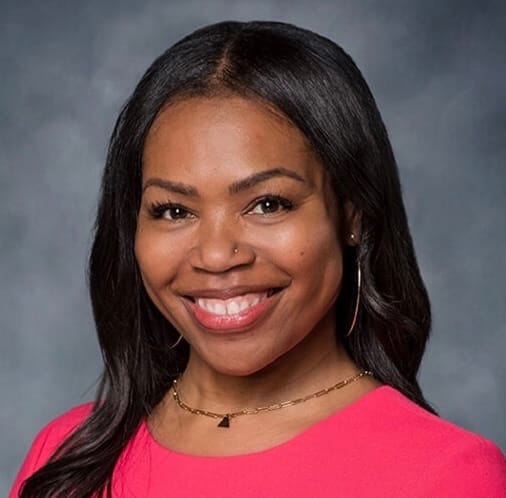
Leadership & Experience
- What would you like people to know about how you listen, learn, and lead?
- I lead by listening first to people who live with the consequences of our decisions. I learn by spending time in neighborhoods, asking questions, and weighing lived experience alongside data and plans. As a Council member, my role is to hold space for disagreement, be honest about tradeoffs, and make decisions that move the city forward while protecting the people who already call Asheville home.
- How do you most often travel around Asheville in your daily life, and how does that shape your experience of the city?
- Like many residents, I rely primarily on driving to get around Asheville, but I also walk in my neighborhood and use transit when it fits the trip. Experiencing the city in different ways makes it clear how uneven access and safety can be depending on where you live and how you travel. That perspective informs my focus on safer streets and better connections for everyone.
- What does equitable transportation investment look like to you in Asheville, and what experiences have informed how you think about it?
- Equitable transportation investment means prioritizing safety, access, and reliability in legacy and historically underserved neighborhoods, especially those hardest hit by recent storms. My work on council has reinforced the need to fix sidewalks, crossings, and transit access where people depend on them most, not just where projects are easiest.
Growth Patterns & Housing
These questions are informed by the Elevate 2050 Metropolitan Transportation Plan, Asheville Missing Middle & Displacement Risk Assessment, and Living Asheville: A Comprehensive Plan for the Future.
- Federal transportation dollars to improve Asheville’s streets, sidewalks, and highways are spent according to plans developed by our local Metropolitan Planning Organization.The recently approved Elevate 2050 plan lays out 3 potential growth scenarios for our area: Business as Usual, Consolidated Growth, and Dispersed Growth. Of these three scenarios, which do you think would be the best growth pattern for the Asheville area?
- Consolidated Growth
- Share more about why you selected this growth pattern.
- I support consolidated growth because it allows us to use existing infrastructure more efficiently, reduce sprawl, and protect rural and environmentally sensitive land. Locating housing closer to jobs, services, and transit can lower costs and environmental impacts. But consolidation has to be paired with strong anti-displacement protections so growth strengthens neighborhoods rather than repeating past harms or pushing longtime residents out.
- Do you accept the premise that housing growth is a strategy to prevent displacement? (Yes or No)
- Yes
- Share more about your views on housing growth and displacement.
- Housing growth is an important tool to reduce displacement, but it is not enough on its own. Increasing supply can ease pressure, especially when new homes are built near jobs and transit. At the same time, we must protect existing residents through home repair, tenant protections, and long-term affordability tools. Preventing displacement requires both building new housing and stabilizing the people and neighborhoods already here.
- Research has shown that cities that create more housing options for renters through building multi-family housing do a better job at preventing and reducing homelessness. Do you think allowing middle housing types like duplexes and quadplexes by right in all residential neighborhoods would be an effective strategy to create more affordable housing in Asheville? (Yes or No)
- Yes
- Share more about your position on missing middle housing as use by right.
- Missing middle housing can expand options and support walkable, connected neighborhoods, but it cannot be applied the same way everywhere. Allowing these housing types by right works best in areas with lower displacement risk and adequate infrastructure. In legacy neighborhoods, additional protections and community-driven planning are essential so new development does not displace long-time residents.
Complete Streets
These questions are informed by Asheville’s Complete Street Policy.
- When you think about “complete streets” in Asheville, what does that idea mean to you in practice? Can you share an example of a place where you think we’re getting it right—or could do better?
- Complete streets mean designing roads so people of all ages and abilities can move safely, whether walking, biking, using mobility devices, taking transit, or driving. Parts of the River Arts District show progress by slowing traffic and creating space for people, but also highlight where we must do better with connections, resilience, and ensuring improvements serve nearby neighborhoods, not just visitors.
- Aside from budgetary constraints, what’s one barrier you see to Asheville becoming a safer city for people who walk, bike, use micromobility and/or assistive mobility devices?
- One barrier is trust in how decisions are made. Many residents question bike lanes when basic needs like sidewalks, drainage, or lighting remain unmet. When infrastructure improvements feel imposed or out of sequence, they can deepen skepticism rather than improve safety. Becoming a safer city means listening first and sequencing investments to build confidence and benefit existing residents.
Transit
This question is informed by the ongoing ART Comprehensive Operational Analysis.
- Asheville is in the middle of a Comprehensive Operational Analysis of our bus system. Residents were recently asked to consider two different network concepts: a coverage concept and a ridership concept. Which concept do you prefer for Asheville?
- Ridership
- Share more about your position regarding ridership or coverage.
- I lean toward a ridership-focused network because frequent, reliable service is what makes transit usable for everyday trips. At the same time, coverage matters for seniors, people with disabilities, and residents in already underserved areas. This is not an either-or question. Asheville needs a hybrid approach and a dedicated, reliable funding source so we are not forced to choose between frequency and access every budget cycle.
Greenways & Trails
These questions are informed by Asheville’s Close the Gap Plan, Recreate Asheville, and The Hellbender Regional Plan.
- What informs your vision for Asheville’s trails and greenways, and how would you move that vision forward?
- My vision for Asheville’s trails and greenways is rooted in access, connection, and resilience. Trails should safely connect neighborhoods to parks, schools, transit, and daily destinations, not just serve as recreational amenities. Moving that vision forward means coordinating land use, transportation, and park planning and prioritizing projects that close gaps for residents with the least access.
- In your view, can investments in greenways and trails support affordability in Asheville—and where should we be thoughtful or cautious?
- Greenways and trails can support affordability by improving quality of life, reducing transportation costs, and connecting people to jobs and services. At the same time, we must be thoughtful about timing and protections in neighborhoods facing displacement pressure. Investments should be paired with housing stabilization and home repair so long-time residents benefit from improvements.
Reconstruction
These questions are informed by Asheville’s acceptance of Community Development Block Grant – Disaster Recovery and the ongoing French Broad & Azalea Parks Recovery Project.
- The City has been allocated $225 million in CDBG-DR (Community Development Block Grant – Disaster Recovery) funds from HUD to aid our recovery from Hurricane Helene. HUD approved the city’s initial plan to spend $125 million on infrastructure, $52 million on Economic Revitalization, and $31 million on housing. Within the $31 million to be spent on housing, $28 million is dedicated to building affordable housing while the remaining $3 million is for single family home repair. Recently, the city has proposed shifting over half of the funds originally planned for affordable housing construction over to single family home repair. Would you support that proposed change?
- No – I do not support shifting over half of funds dedicated to affordable housing construction to single family home repair.
- Share more about your position regarding affordable multi-family construction vs. single family home repair.
- I do not support shifting over half of the funds away from affordable multi-family housing construction. The need for home repair after Helene is real, and helping residents remain safely housed is essential. At the same time, cutting deeply into construction funding would worsen the housing shortage driving displacement and homelessness. Recovery must stabilize current residents while continuing to build long-term, income-restricted housing.
- Director D. Tyrell McGrit recently shared an update with City Council on the Riverfront Parks Recovery outreach and findings at the Jan. 13, 2026 City Council Work Session. What stands out to you about the work so far, and why?
- What stands out is the depth of community engagement and clarity residents have about what they value along the riverfront. People want parks that are resilient, accessible, and reflective of daily use. The outreach shows that recovery is about rebuilding better and listening early so investments serve the whole community.
Candidate responses will continue to be posted as they are received. As of June 1, the following candidates have not responded to the questionnaire:
- Sheneika E. Smith